What Developers Should Know About Multi-Family Construction in Courtenay & Comox
Planning a multi-family development in Courtenay, Comox, or the wider Comox Valley? Choosing the right general contractor early can help create greater clarity around the project from the start.
Courtenay and Comox need more housing, but new developments must also work financially for developers and future residents. Rising construction costs, municipal requirements, and ongoing affordability pressures tighten project budgets and leave less room for redesign, delays, or unexpected costs.
As a result, cost-saving measures are not only about profitability. They can affect whether a project remains viable and whether the completed homes can be offered at a price people can afford.
At Westmark, we partner with property owners and real estate developers to provide pre-construction, construction management and design-build services for multi-family developments across Vancouver Island. Bringing our team into the process early creates more opportunity to review construction considerations, identify opportunities to improve value, and strengthen cost and schedule predictability before major decisions are finalized.
The Comox Valley Needs More Housing
Courtenay and Comox are both planning for continued growth, and housing is an important part of that future.
According to the City of Courtenay, the city’s population grew 11 per cent between 2016 and 2021 and is expected to increase by 44 per cent by 2041. To meet that growth, Courtenay will need 8,350 new homes by 2041.
The City has also reported that home prices rose 61 per cent from 2019 to 2022, while apartment rents rose 48 per cent between 2020 and 2023.
Comox is planning for growth as well. The Town of Comox adopted a new Official Community Plan in 2026 to guide how the community grows over the next 20 years. Its Housing Needs Report identifies a need for 3,358 housing units between 2021 and 2041.
Current planning activity in Comox shows the scale of multi-family development already being considered in the area. The Town lists a proposal for three apartment buildings containing 223 homes and a daycare facility over underground parking, along with a separate 84-unit townhouse development.
For developers, these figures point to a continued need for apartments, townhomes, mixed-use buildings, and other multi-family developments. They also highlight the challenge facing new housing projects: more homes are needed, but the cost of delivering them still needs to align with what buyers and renters can afford.
Why Early Builder Involvement Matters
Many of the decisions that affect the final cost of a multi-family project are made before construction begins.
Site access, servicing, parking, stormwater, building layout, material selections, phasing, scheduling, and constructability can all influence the budget and timeline. When a builder becomes involved after the design is well developed, there may be fewer opportunities to make changes without affecting drawings, approvals, consultant work, or schedules.
Bringing Westmark into the process early allows the construction team to review these considerations while the project is still flexible.
This can help:
- identify constructability concerns early;
- provide more realistic information about pricing and timelines;
- compare materials, building systems, and construction methods;
- improve sequencing, site logistics, and procurement planning; and
- identify opportunities to improve value while protecting the project’s overall goals.
Early involvement gives the project team more time to assess options before drawings and specifications are finalized. Materials can be reviewed, complex details can be considered, and potential site or scheduling concerns can be addressed while there is still flexibility in the design.
This can reduce the need for later changes and create greater confidence in the project budget and schedule.
Plan for More Than the Building
A multi-family development budget needs to account for more than the building itself.
Land, servicing, site preparation, consultant coordination, permitting, off-site works, and municipal charges can all affect project feasibility and timing. Identifying these costs early gives developers a more complete understanding of the investment required before major decisions about land, design, financing, and project scope are finalized.
Development Cost Charges are among the municipal costs developers should factor into the project budget early.
What Are Development Cost Charges?
Development Cost Charges, commonly known as DCCs, are one-time fees collected from new development to help fund the infrastructure needed to support community growth.
In Courtenay, DCCs help fund roads and transportation, water systems, sanitary sewer, storm drainage, and parkland.
Comox also collects DCCs to support growth-related infrastructure, with classifications for low-density, medium-density, and high-density residential development, along with commercial, industrial, and institutional projects.
When Are DCCs Paid?
The point at which DCCs are paid depends on the type of development.
In both Courtenay and Comox, DCCs for new low-density residential lots are collected at the subdivision approval stage. For medium- and high-density residential developments, as well as commercial, industrial, and institutional projects, the charges are collected at the building permit stage.
Courtenay adopted an updated Development Cost Charges Bylaw on April 29, 2026, with the new rates taking effect on April 30, 2026.
Understanding both the amount and timing of these charges can help developers plan financing and account for the expense within the project budget and schedule.
In-Stream Protection in Courtenay
Projects that were already moving through Courtenay’s approval process when the updated bylaw was adopted may qualify for in-stream protection. For eligible developments, this can allow the previous DCC rates to apply for up to one year.
Eligibility generally depends on the application having been complete and the applicable fees having been paid before the updated bylaw was adopted. The project must also remain active and continue through the approval process within the required timelines.
For developers with projects already underway, confirming whether in-stream protection applies can affect the project budget. More broadly, understanding DCCs and other municipal requirements in both Courtenay and Comox early can help inform land value, financing, project scope, and schedule before construction begins.
Every community has its own planning process, site conditions, and construction considerations.
In Courtenay and Comox, a multi-family project may involve zoning review, development permits, servicing requirements, frontage improvements, environmental considerations, stormwater planning, parking requirements, and coordination with consultants and local authorities.
These projects require clear communication, careful sequencing, supplier and subcontractor coordination, and practical decision-making throughout the construction process.
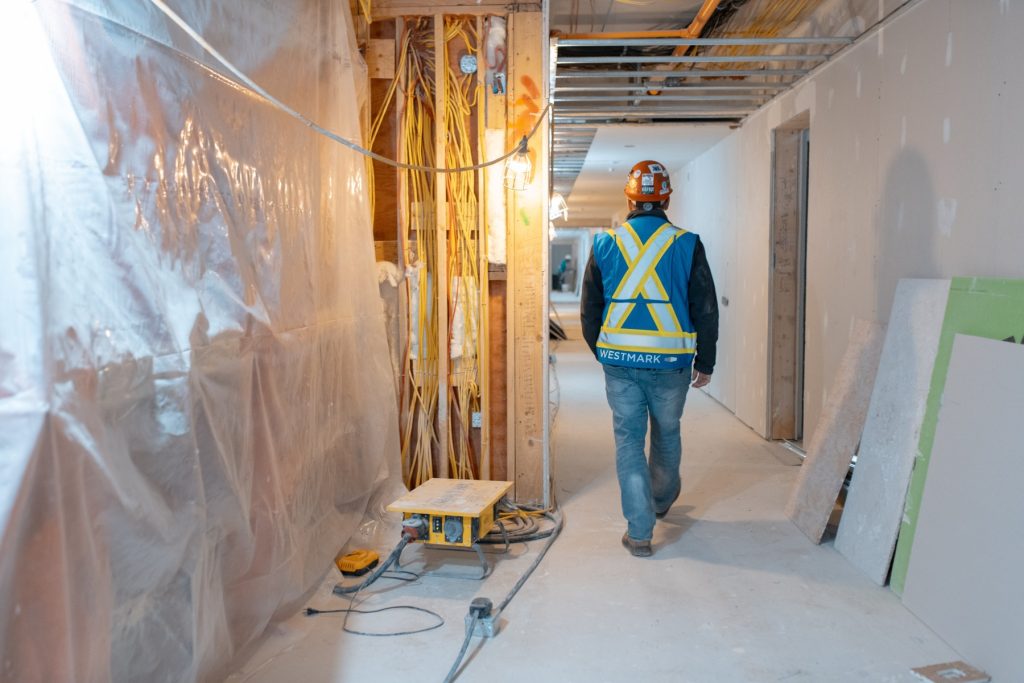
As a construction management company, Westmark manages each phase of a project. That includes coordinating permitting and development, managing day-to-day construction, and implementing risk and safety procedures.
Westmark has served as a general contractor in Nanaimo and across Central Vancouver Island for over 38 years, with experience in commercial construction, industrial spaces, multi-family developments, and more.
Multi-Family Construction Across Vancouver Island
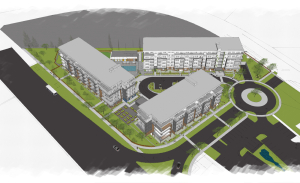
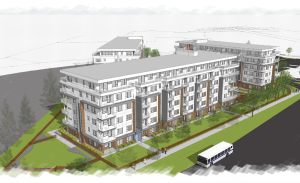
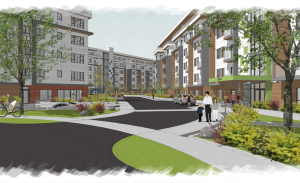
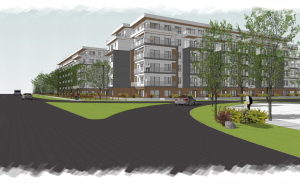
At Shorewood in Parksville, Westmark is helping bring a three-building, six-storey rental development to life with 233 rental units, including one, two, and three-bedroom homes.
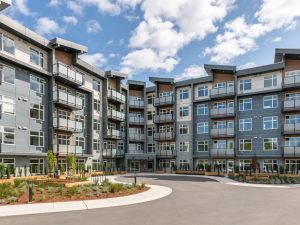



At Melody in Nanaimo, Westmark served as general contractor for a five-storey rental development with 98 one, two, and three-bedroom homes.
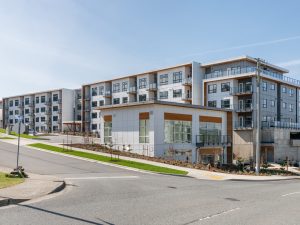


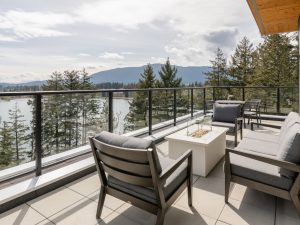
At Link on Long Lake in Nanaimo, Westmark helped bring a pet-friendly rental community to life, offering one- and two-bedroom homes with select den layouts.
General Contractor for Multi-Family Developments in Courtenay & Comox
Courtenay and Comox need more housing, but successful projects must balance community need, construction cost, affordability, and long-term value.
Bringing Westmark into the process early gives developers and property owners practical construction insight while there is still time to consider alternatives and make informed decisions. Our team works closely with clients, consultants, suppliers, subcontractors, and project partners to improve coordination and project predictability from planning through completion.
Planning a multi-family development in Courtenay or Comox?
Westmark brings the experience, organization, and expertise needed to support your project from early planning through final completion.
Contact us today to discuss your project and explore the next step.